
1. Introduction

As the world's population grows and environmental challenges become more complex, it becomes increasingly important to understand and manage the interdependencies of natural resources, in particular where resource use in one area can have unintended consequences in another. Some examples include:
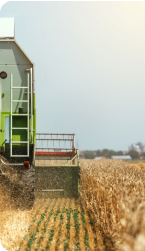
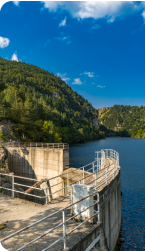
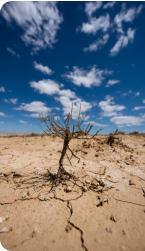
In the context of these interrelated challenges, the concept of the Water-Energy-Food-Ecosystems (WEFE) nexus has gained increasing attention over the last decade as a way to understand the interconnection between the use of water and energy resources, the production of food, and protection of ecosystems. Adopting such a WEFe nexus perspective helps to reflect how decisions taken and resources used in one sector may significantly impact other natural resources, possibly leading to unsustainable outcomes.
Quick links
Initiating WEFe 2.0 with boundaries, stakeholders, and optional value assessment.
Diagnosing WEFe challenges through scanning, trends, mapping, and boundary check.
Identifying WEFe solutions via co-creation, expert input, or analysis.
Assessing WEFe interventions via desk-based and participatory methods.
Final phase with a participatory workshop for action planning.